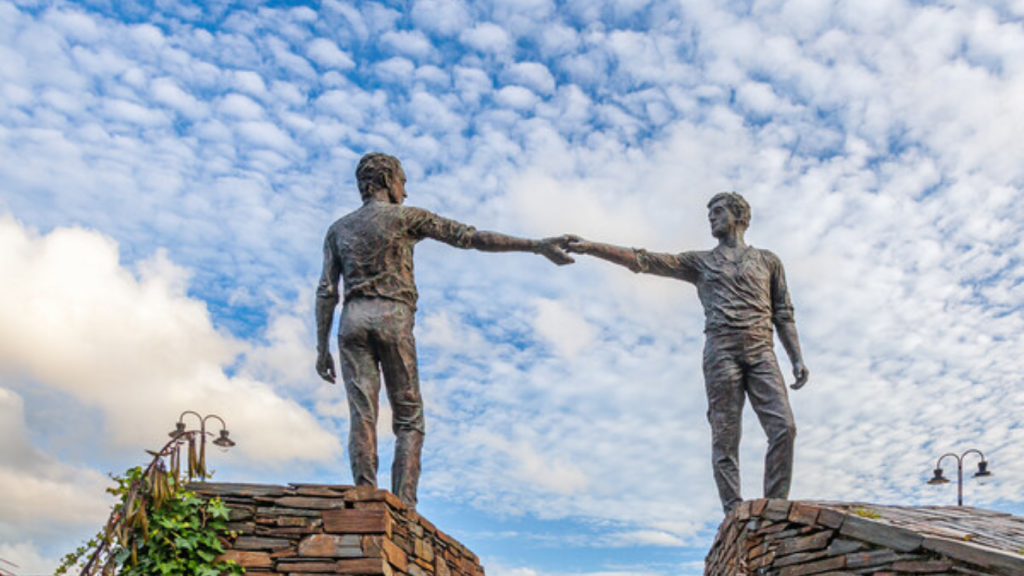
Mediation is a transformative process that plays a crucial role in helping individuals and communities navigate conflict and build lasting trust. It’s a process rooted in empathy, respect, and a commitment to positive change. Through mediation, parties involved in disputes are not only able to resolve their differences but also to cultivate a deeper understanding of each other’s perspectives. This collaborative approach provides a space where solutions are reached through dialogue, making it an invaluable tool for workplace disputes, community tensions, or personal conflicts.
Trusting the Mediation Process
One of the most significant components of successful mediation is trust, both in the process itself and in the mediator. For practitioners, the mediation process is not something that is merely theoretical; it is a well-tested and structured approach honed over decades of experience. Mediators work with parties who may have deeply entrenched positions, but through a trusted and impartial framework, we guide them toward constructive dialogue and resolution.
At the outset, it can be difficult to fully embrace the mediation process, especially for those who are unfamiliar with it. However, as mediators with years of experience in diverse and often high-stakes environments, we understand that the process may seem daunting. Yet, the results speak for themselves. The skills and practices we rely on have been tried and tested in countless situations, showing that even the most challenging disputes can be resolved.
The process of mediation encourages participants to embrace a new way of thinking; one that focuses on problem-solving rather than the escalation of conflict. With knowledge, skills, and patience, mediators are able to break down barriers between conflicting parties, allowing them to rebuild their relationship and move forward with trust. This process provides a framework that can handle even the most complex of disagreements, offering hope where it may seem in short supply.
Overcoming Challenges with Courage and Creativity
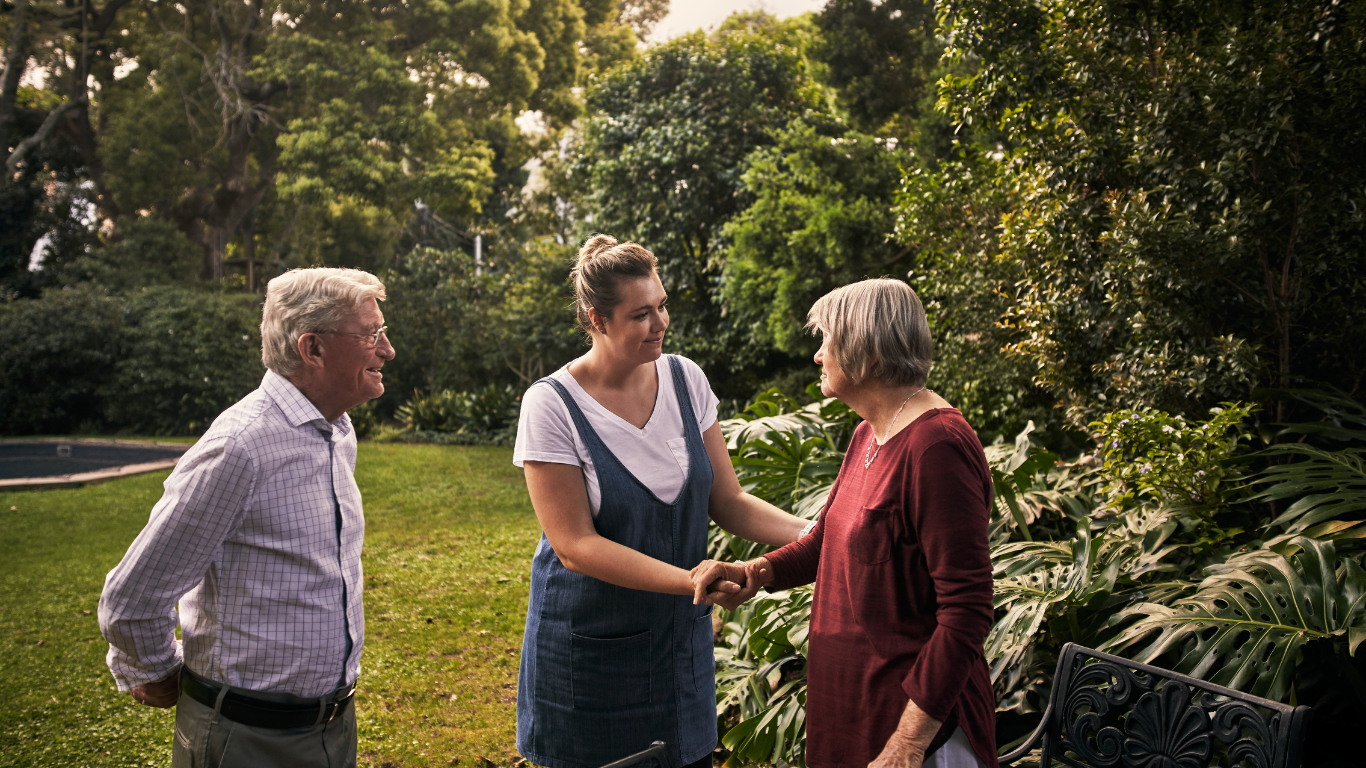
Mediation is not without its challenges. Often, parties come to the table with deep emotional wounds, entrenched views, and a history of mistrust. However, mediators are trained to face these challenges with courage, recognising that conflict resolution requires both patience and creativity. Each situation is unique, and it’s through innovative thinking that mediators help parties break free from the cycles of blame and negativity that often accompany unresolved conflict.
Creativity is a key aspect of the mediation process. Mediators are not merely facilitators of conversation but also problem-solvers, drawing on their experience and imagination to craft solutions that serve all parties involved. In many ways, mediation is like cleaning out a cluttered kitchen drawer. In that, the process can be messy at first, but once the clutter is cleared away, a more organised and functional space emerges. Each issue, each concern, is addressed thoughtfully and strategically, ensuring that nothing is overlooked and that every party is given an opportunity to be heard.
In the face of tension, mediators maintain a calm and composed presence, allowing space for parties to express their frustrations while keeping the conversation focused on finding solutions. By remaining steadfast in their commitment to the mediation process, mediators help to transform a chaotic, emotionally charged situation into one of cooperation and mutual understanding. This ability to turn conflict into collaboration is one of the hallmarks of successful mediation.
Mediation as a Tool for Positive Peace
Nonviolence is at the heart of mediation, but it’s important to understand that nonviolence isn’t just about avoiding conflict—it’s about creating positive peace. This is a core principle that sets mediation apart from other forms of conflict resolution. Nonviolence in mediation means fostering an environment in which all parties feel heard, respected, and valued. It encourages dialogue, understanding, and collaboration, rather than division or hostility.
In practice, nonviolence manifests in the way mediators facilitate conversations. It’s about setting the tone for the discussion, ensuring that everyone has an opportunity to speak without fear of being dismissed or silenced. By creating a safe space for dialogue, mediators help parties move from a place of hurt and frustration to one of shared understanding and cooperation. The presence of understanding, respect, and mutual support are paramount to this positive peace.
Mediation also works to prevent future conflict by helping individuals develop the skills needed to manage disputes constructively. Through the mediation process, parties learn how to communicate effectively, listen actively, and negotiate in a way that prioritises mutual benefit over personal gain. This not only resolves the current dispute but also equips individuals with the tools to handle future challenges in a way that promotes harmony and collaboration.
Realising the Impact: Mediation’s Role in Transforming Communities
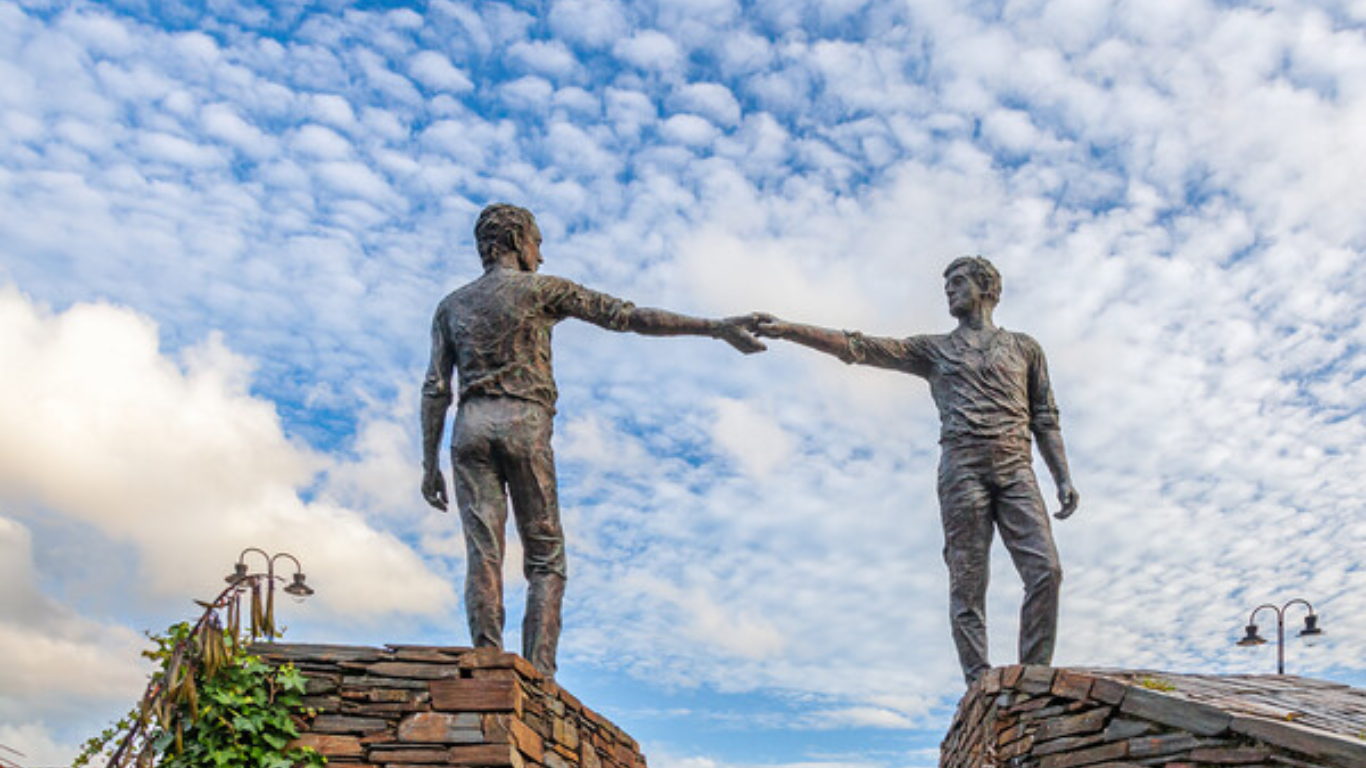
Mediation has proven to be an invaluable tool in resolving conflicts in a variety of settings. In post-conflict societies like Northern Ireland, mediation has played a vital role in addressing issues left unresolved by the Good Friday Agreement. While the violent conflict of the Troubles may have ended, tensions remained, particularly around issues such as parades, flags, and access to public services. These unresolved conflicts continued to divide communities and disrupt the peace, but mediation offered a way forward.
In Northern Ireland, mediation practitioners worked with communities to address these issues, providing a platform for dialogue and resolution. They helped bridge the gap between divided groups, allowing them to address their differences without resorting to violence or further escalation. Mediation also played a key role in facilitating police training and monitoring interface areas where tensions were high, ensuring that all parties were able to engage in productive, peaceful discussions.
The success of mediation in post-conflict Northern Ireland highlights its potential for resolving disputes in communities around the world. Whether addressing historical grievances, social divisions, or workplace conflicts, mediation offers a structured, impartial process that helps people find common ground and move forward in a positive direction.
Building Trust Through Mediation
Mediation is a pathway to building trust and fostering lasting peace. The process provides individuals with the opportunity to engage in open, respectful dialogue, creating solutions that benefit all parties. By embracing the principles of integrity, nonviolence, and creativity, mediation offers a framework that allows communities, organisations, and individuals to move beyond conflict and work together towards a common goal.
Through the mediation process, we can overcome challenges, and build trust. It’s a process that requires commitment, patience, and courage, but the rewards are immense. By focusing on the positive, the solution-focused nature of mediation, we can transform conflict into opportunity and create a society that handles conflict better.