
There’s no one-size-fits-all in life, especially when things are changing. Mediation gives people a safe space to figure things out together, and the person guiding that space is a mediator. But what makes someone right for that role?
Listening That Builds Understanding
Listening is at the heart of mediation. A skilled mediator gives each person time and space to speak, without interruption or judgement. This goes beyond simply hearing words; it means being fully present, noticing what matters to the speaker, and responding with care. Listening in this way helps people feel acknowledged. When people feel acknowledged, they often speak with greater openness and clarity.
This kind of attention supports people to say things they may not have been able to express before. It can reveal needs, fears, and hopes that haven’t been voiced. Even in moments of tension or silence, a mediator stays present. They hold space for emotion without rushing to fill it or move on too quickly. In a process that can be deeply personal and emotionally charged, this steady approach to listening creates room for insight, understanding, and shared purpose to emerge.
Every voice matters in mediation. When people experience that their story has been taken seriously, they are more likely to remain engaged in the process. They can explore ways forward with clarity, even when the path ahead feels uncertain. Listening like this does not seek to fix the problem, it makes it possible for people to face it together.
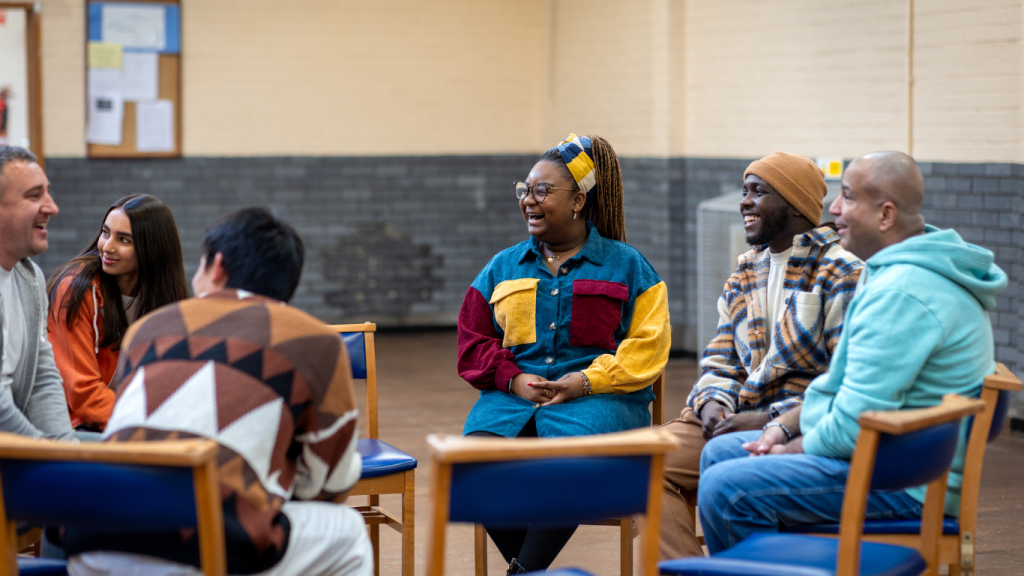
Clarity, Safety, and Trust
Mediation works best when people feel safe enough to be honest. That’s why clarity around confidentiality is so important. Mediators explain how the process works and what can be expected at each stage. They are clear about what will remain private and where there are limits, for example, if someone is at risk of harm. This helps to create a space that feels secure and respectful.
Trust is not assumed; it is supported by the way mediators manage the process. They pay attention to tone, pace, and boundaries. They create an atmosphere where everyone is treated fairly, regardless of background, belief, or situation. This sense of fairness encourages people to participate more fully. It becomes possible to speak about things that matter, without fear of being blamed or dismissed.
Mediators also bring an understanding of the broader context families may be navigating. Many people arrive at mediation while also managing legal, financial, housing, or emotional challenges. While mediators do not offer legal advice, they are trained to recognise when someone might benefit from speaking with a solicitor or another professional. They can help signpost appropriate support, ensuring that the mediation process stays focused and grounded in real-life possibilities.
Calm Presence and Ongoing Practice
Change can feel overwhelming. Mediation provides a space to slow down and focus. The mediator’s presence supports this. By maintaining calm, speaking clearly, and responding without judgement, a mediator helps reduce anxiety in the room. They make sure each person has the opportunity to contribute in their own way, without being hurried or spoken over. This kind of steadiness makes space for mutual respect, even in difficult circumstances.
Professionalism in mediation is not just about what happens during the session. It also includes what happens outside of it. Mediators engage in regular supervision and reflective practice. This is where they take time to think carefully about their work; not just what was said, but how it was said, how the process was held, and how people were supported. Reflection of this kind helps mediators deepen their awareness and strengthen their practice over time.
Training doesn’t stop once a mediator qualifies. They continue to learn through experience, through listening to others, and through ongoing development. This ensures they remain thoughtful, responsive, and well-prepared to support families in ways that are grounded, respectful, and fit for purpose. Each conversation is different, and continued learning helps mediators stay open to what each new situation brings.
Interested in building your confidence in conflict resolution or supporting others through change? Mediation NI offers practical, thoughtful training in mediation and communication. Whether you’re looking for an introduction or something more in-depth, you’ll find flexible options to match your needs. Courses can be booked as they are or shaped around your group, team, or organisation. You’ll learn skills you can use in everyday life and in professional settings, at your own pace, with support when you need it.